Imagine if you could nudge your brain toward calm or focus just by listening to the right sound. That is the promise of binaural beats, a quietly popular tool in the meditation world that sounds almost too good to be true.
So let us be honest from the start. Binaural beats are not magic, and the science behind them is mixed. But plenty of people find them a genuinely useful way to settle into a practice, drift off to sleep, or focus on deep work. This is a clear guide to what they actually are, how to use them, and what to realistically expect.
What binaural beats actually are
A binaural beat is a kind of audio illusion. You play one frequency in your left ear and a slightly different one in your right ear. Your brain notices the gap between them and effectively invents a third, gentle pulsing tone at the difference between the two.
So if you hear 200 Hz in one ear and 210 Hz in the other, your brain perceives a soft 10 Hz beat that is not really there. The theory, known as brainwave entrainment, is that your brainwaves gently fall into step with that pulse, easing you toward whatever state it represents.
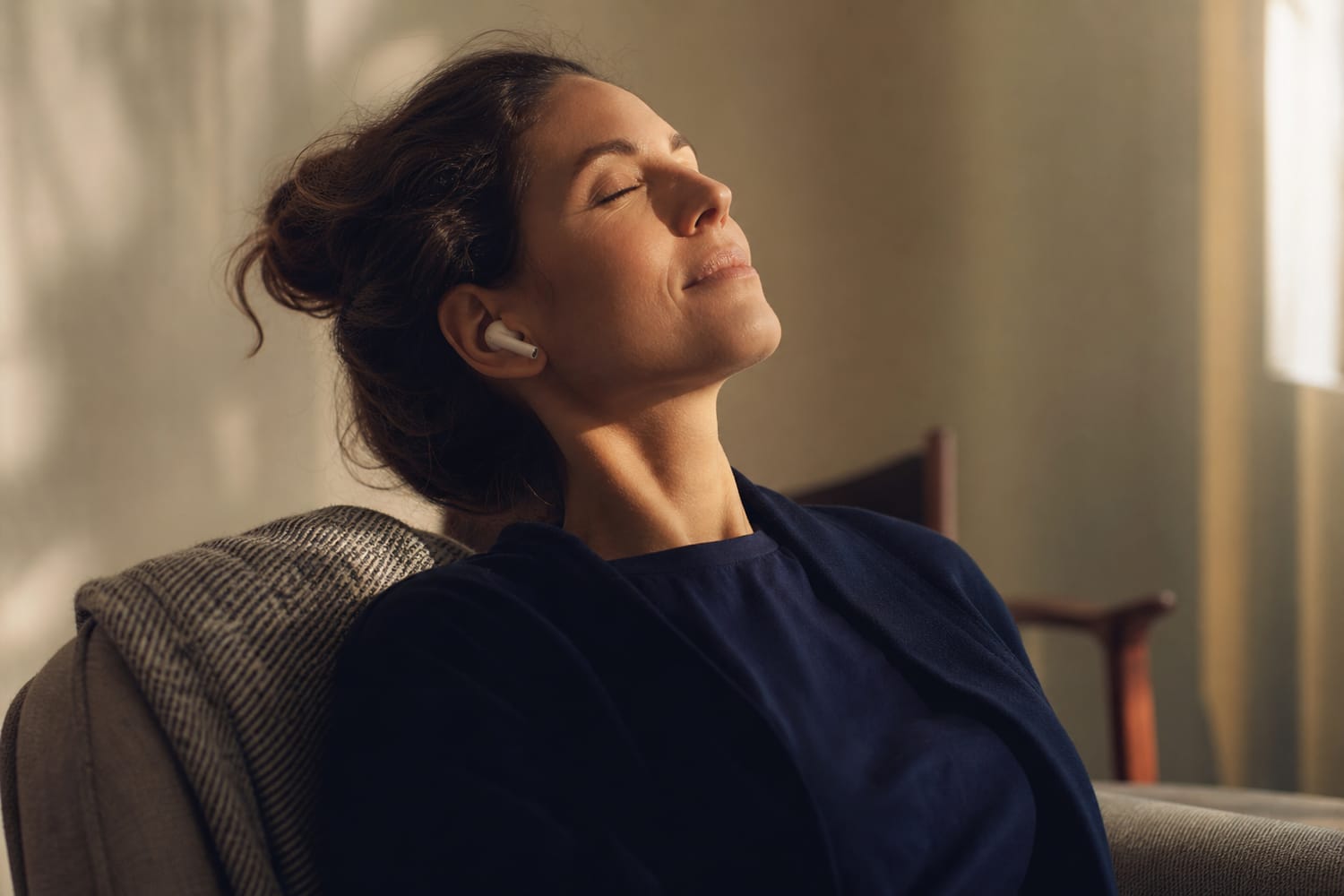
One thing this means in practice: you need stereo headphones. Played out loud through a speaker, the effect disappears, because each ear has to receive its own separate frequency. A decent pair of noise cancelling headphones is ideal, both for the effect and for blocking out distractions.
The brainwave bands, and what each is for
Binaural beats are usually grouped to match the five types of brainwave, each linked with a different mental state. This is the bit that helps you choose the right track.
- Delta (below 4 Hz), deep, dreamless sleep and rest. The go to for using sound to help you drift off.
- Theta (4 to 8 Hz), deep relaxation, meditation, and creativity. The sweet spot for most meditation practice.
- Alpha (8 to 13 Hz), calm but alert, relaxed and present. Good for easing stress while staying awake.
- Beta (13 to 30 Hz), active focus and concentration. Often used for deep work and study.
- Gamma (above 30 Hz), heightened awareness and sharp perception.
You do not need to memorise the numbers. Most tracks are simply labelled by their purpose, like sleep, focus, or meditation, which does the matching for you.

Do binaural beats really work?
This is the honest heart of the matter. The research is genuinely mixed. Some small studies suggest binaural beats may support relaxation, focus, and reduced anxiety. Others find little measurable effect. And the central claim, that the beats actually pull your brainwaves into step, does not hold up well: a systematic review of the entrainment evidence concluded it is inconclusive at best. So take the brainwave theory with a pinch of salt.
So here is a fair way to hold it. Do not expect binaural beats to transform your mind on their own. But many people, quite reliably, find them a calming and pleasant aid to a practice they are already doing. If a particular track helps you relax, focus, or sleep, then it is working for you, whatever the studies say. The effect is personal, and the only way to know is to try.
For what it is worth, I use them, and I have come at this from both sides. I met binaural beats long before I ever made one. They were quietly built into guided tracks I was already listening to, hypnosis sessions and guided meditations of the Paul McKenna and Brian Scott variety, and I had no idea that was part of what I was hearing. That is probably the most honest thing I can tell you about them. They were doing their work in the background while my attention was on something else entirely, which is roughly how I think they work best. Not as the main event, but as a floor underneath it. I produce them myself now, and knowing exactly how the effect is built has not made me any less willing to put them on.
How to use binaural beats in your practice
Using them is simple, and they slot neatly into things you may already do.
Choose a track for your goal. Theta or meditation tracks for a calm sit, delta or sleep tracks for winding down at night, beta or focus tracks for deep work.
Put your headphones on. This is essential, not optional, for the effect to happen at all.
Keep the volume gentle. Low and comfortable is plenty. Louder is not better, and can leave you feeling overstimulated.
Listen for 15 to 30 minutes. That is enough to settle in, and it pairs perfectly with a meditation or wind down routine.
If you are new to meditation itself, start with our beginner’s guide to mindfulness meditation and add binaural beats once the basics feel comfortable. For winding down at night, they pair well with the calmer approach in our guide to tackling insomnia.

A simple, low stakes thing to try
Binaural beats are not a miracle, and you do not need them to meditate well. But they are cheap, safe, and easy to experiment with, and for a lot of people they make settling into stillness that little bit easier.
So treat it as a gentle experiment. Find a meditation or sleep track, put your headphones on, keep the volume soft, and see how you feel after twenty minutes. If it helps, you have a lovely new tool. If not, you have lost nothing, and the real benefits of a regular practice are waiting either way, as our guide to the benefits of meditation explains.
For more gentle practices to explore, the Mindfulness, Meditation & Nervous System collection is full of next steps.
When you want a simple daily practice to pair with your listening, our free 7 Day Mindset Reset gives you one small shift a day to quiet your inner critic. It takes about three minutes to read.